




Wisdom Tooth Removal
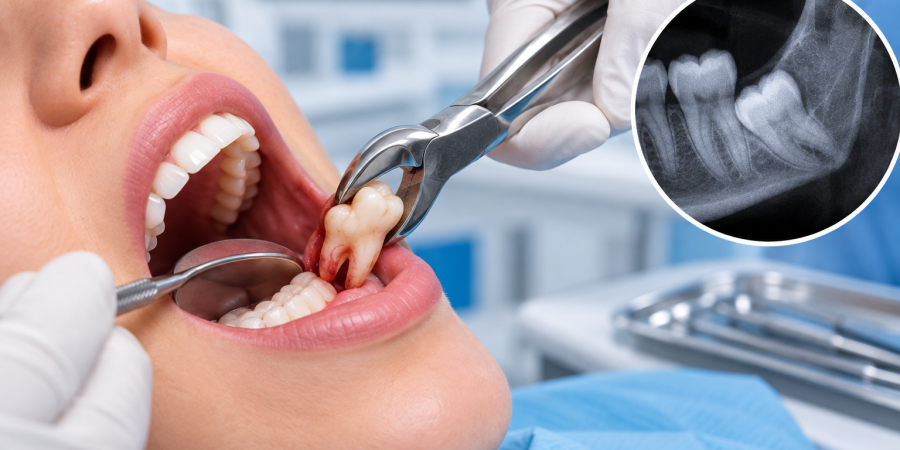
Wisdom Tooth Removal
Wisdom teeth are the last set of teeth to develop and usually appear between the late teenage years and early adulthood. While some people have enough space for their wisdom teeth to grow normally, others may experience pain, swelling, infection, or overcrowding when these teeth do not erupt properly. In such cases, wisdom tooth removal may be recommended to protect your oral health.
At our dental clinic, wisdom tooth removal is performed after a detailed examination of the tooth, gums, and surrounding structures. Depending on the position and condition of the wisdom tooth, the dentist may recommend a simple extraction or a surgical procedure.
When Is Wisdom Tooth Removal Required?
Not every wisdom tooth needs to be removed. However, extraction may be recommended when the tooth is causing symptoms or creating a risk of future dental problems.
Common reasons for wisdom tooth removal include:
- Impacted Wisdom Teeth: A tooth may remain partially or completely trapped beneath the gum or jawbone.
- Pain and Discomfort: Improperly positioned wisdom teeth can cause persistent pain or pressure in the back of the mouth.
- Swelling and Infection: Partially erupted teeth can collect food and bacteria, increasing the risk of gum infection.
- Tooth Decay: Wisdom teeth can be difficult to clean properly, making them more vulnerable to cavities.
- Gum Problems: Impacted or partially erupted wisdom teeth may contribute to inflammation and gum disease.
- Overcrowding: A wisdom tooth may place pressure on nearby teeth and contribute to crowding.
- Damage to Nearby Teeth: Improperly positioned wisdom teeth can sometimes affect adjacent teeth.
Wisdom Tooth Removal Procedure
Before the procedure, your dentist will examine your mouth and may recommend an X-ray or dental scan to understand the position, roots, and surrounding bone.
The typical treatment process includes:
- Dental Examination: The wisdom tooth and surrounding gums are carefully evaluated.
- Dental Imaging: X-rays help determine the tooth’s position and root structure.
- Local Anesthesia: The treatment area is numbed to minimize discomfort during the procedure.
- Tooth Removal: The dentist carefully removes the wisdom tooth using an appropriate extraction technique.
- Post-Treatment Instructions: You receive personalized instructions to support proper healing.
For an impacted wisdom tooth, surgical wisdom tooth removal may be necessary. In some cases, the tooth may need to be divided into smaller sections to allow for controlled removal.